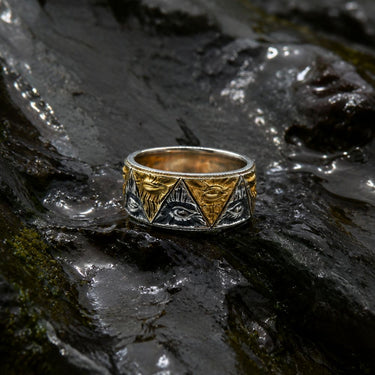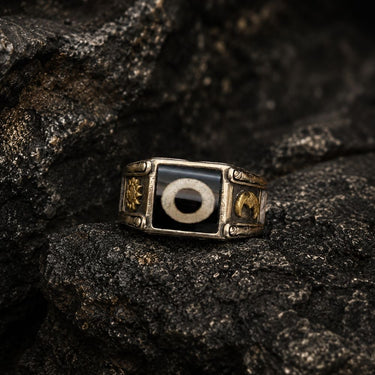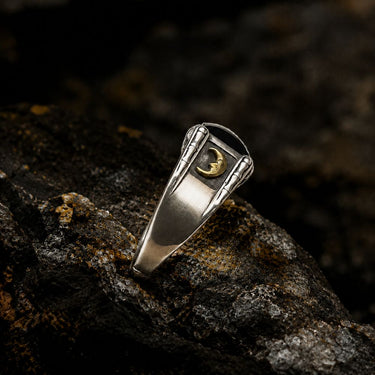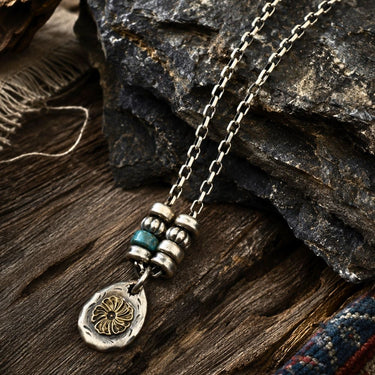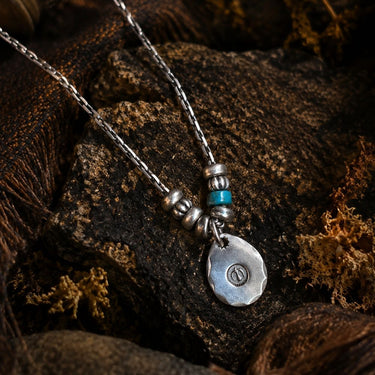


Most crystal-by-intention guides stop at "amethyst for calm" and call it a day. That works until you want something you actually wear in public. A tumbled stone in your pocket is fine. A bracelet you see in the mirror at 9am is better. And if you are drawn to Kailash and Himalayan aesthetics, Tibetan-inspired jewelry adds color, texture, and centuries of craft meaning without replacing your crystals.
This guide pairs both: crystals and Tibetan-inspired accessories. We sell both at Kailash Aura House. We are not a monastery and we do not sell blessed ritual objects. We share honest pairings so your intention has a stone and something on your wrist that you will not forget.
If you are new, start with a daily habit: a five-minute Tibetan-inspired morning ritual and a simple home altar corner. Then return here to pick stones and jewelry that match your sentence.
What Intention Actually Means (Thirty Seconds)
Intention is one specific sentence about what you want to practice, written in present tense. Not "less stress." Try "I breathe once before I reply in Slack when I feel triggered." Crystals and jewelry hold that sentence for you. They do not do the work. You do.
 Five Steps to Set Intention on Crystals and Jewelry
Here is how to set an intention step by step, no USB cable into the amethyst required:
- Cleanse first. Water (if safe for the stone), moonlight, or selenite. Wipe turquoise dry.
- Get specific. Write one present-tense sentence before you hold the stone.
- Hold and breathe. Three slow breaths at your altar corner or morning chair.
- State it. Out loud or silently, with conviction, not grocery-list tone.
- Place or wear. Nightstand, desk, left wrist, or altar dish when not worn.
| Too vague | Specific and settable |
|---|---|
| "Less stress." | "I exhale before I answer difficult emails." |
| "Help me with love." | "I speak kindly to myself when I make mistakes." |
| "Protect me." | "I leave work stress at the office door." |
Reset anytime: cleanse, then a new sentence. The process is the same for jewelry and tumbled stones.
Tibetan-Inspired Color Logic (Before You Buy)
The classic Tibetan palette is not random decoration. It is high-contrast land art: earth red (often coral or agate) and turquoise green against aged silver or oxidized black metal. Red is traditionally read as warmth, vitality, and courage. Turquoise evokes the sky and is traditionally associated with protection and clarity. Silver carries time: hammered marks, dark patina, nothing mirror-shiny.
Beginner styling rule: one bright accent (turquoise or coral) plus a neutral outfit (white tee, charcoal knit, denim). Let the jewelry be the pilgrimage flag, not the whole costume. That is how you wear Tibetan-inspired pieces to the office without looking like a theme party.
Intention Match Table: Crystal + Tibetan-Inspired Jewelry
These pairings follow traditional associations and modern crystal-culture conventions. Treat each one as a personal anchor for the sentence you wrote above, not as a treatment or a guarantee.
| Your intention | Crystal | Tibetan-inspired jewelry | Wear tip |
|---|---|---|---|
| Calm / sleep | Amethyst, howlite | Soft silver cuff, pale bodhi seed bracelet | Left wrist; nightstand stone |
| Protection / boundaries | Black tourmaline, obsidian | Turquoise bead bracelet, lapis pendant | Anchor turquoise + thin tourmaline strand |
| Self-love / kindness to yourself | Rose quartz, rhodonite | Red coral accent, rose-gold toned silver | Single warm accent near chest or wrist |
| Confidence / action | Citrine, tiger's eye | Bold carnelian-style red bead, copper highlights | Right wrist for "outward" days |
| Focus / clarity | Clear quartz, fluorite | Lapis lazuli, clean silver geometry | Desk stone + short necklace |
| Grounding / stability | Smoky quartz, hematite | Heavy old silver, dark wood or bodhi | One thick piece, opposite wrist bare |
Protection and love/self-worth are the two intentions readers ask about most; the real-life scenarios below go deeper on both.
 Materials That Carry Meaning (Not Magic)
Turquoise and Lapis: Sky and Stone
Raw turquoise matrix (dark webbing in blue-green stone) shows nature's hand. In Himalayan jewelry it has long symbolized protection and safe travel. Lapis lazuli's deep blue with gold flecks is traditionally associated with wisdom and truth. Many practitioners pair lapis with clear quartz as a desk-side anchor when focus is the intention, for study or creative work.
Red Coral and "Earth Red"
Traditional pieces use coral or coral-colored agate, materials traditionally associated with life force and warmth. For love intentions, a small coral bead beside rose quartz keeps the palette coherent (pink + red earth). Check sourcing: ethical coral is regulated; many pieces use sustainable substitutes. Read product descriptions.
Old Silver and Copper
Hand-hammered silver develops patina. That is desirable. "Aged black" finish is oxidation, not dirt. Silver jewelry is the neutral base that lets one turquoise pop. Copper adds warmth for confidence intentions.
Bodhi Seed and Wood
Bodhi seed beads come from the tree linked to Buddha's enlightenment story. They feel matte, light, and warm on skin, which is why many people choose them for calm and meditation intentions. They age with oil from your skin; that is "raising" the bead, similar to caring for leather.
Knots and Cord: Small Details, Real Craft
Tibetan-style cord work is not just decoration:
- Vajra knot (diamond knot): Tight, dense, traditionally symbolizes unbreakable will. Often chosen for protection-themed bracelets.
- Flat knot / snake knot: Sleek for daily wear, stacks well with thin chains.
- Contrast thread wrap: Fine colored thread at joints hides knots and adds artisan signature.
Good cord should flex without fraying. If a bracelet pinches, the knot is wrong for all-day wear. Comfort is part of ritual. You will not keep intention on a wrist that hurts.
How to Stack Without Chaos
Golden rule from Tibetan street style, simplified for beginners:
- One anchor: thicker silver chain, large turquoise bead, or main crystal bracelet.
- Two supporters: thin cord bracelets or fine bead strings.
- Asymmetric wrists: stack one side, leave the other clean. Looks intentional, not crowded.
- Length play: choker-length turquoise strand + longer pendant for vertical line (flattering with knit tops).
Modern pairings that work: open-collar shirt + slim turquoise necklace; grey turtleneck + silver pendant; rolled blazer sleeve + multi-material wrist stack. Our bracelet collection has anchor pieces if you want a starting point.
Match Your Real Life (Not Your Zodiac)
The setups below follow the same traditional associations as the table above. The stone is the reminder; the sentence is the practice.
Anxious, Overthinking
Crystal: Amethyst on nightstand + optional bracelet.
Jewelry: Bodhi seed or light wood bracelet as a tactile anchor for calm. Keep metal minimal.
Intention line: "My mind slows down when I exhale."
Drained by People or Work
Crystal: Black tourmaline in bag or on the left wrist.
Jewelry: Turquoise or lapis with silver. Vajra knot cord if you like its symbolism of resilience.
Intention line: "Other people's moods stay with them."
Hard on Yourself
Crystal: Rose quartz against skin.
Jewelry: Small coral or warm red accent (earth red palette).
Intention line: "I speak to myself like someone I love."
Big Presentation or Interview
Crystal: Citrine or tiger's eye on the right wrist.
Jewelry: One bold copper or carnelian-tone bead, not a full arm party.
Intention line: "I show up clear and steady."
Cultural Respect (Read This Once)
Tibetan-inspired is not "costume Tibetan." Avoid sellers claiming fake antiquity, misusing sacred syllables you do not understand, or selling prayer objects as party accessories. Learn what a piece references. Buy from brands that name materials and artisans. Wear one meaningful piece well.
We draw color and craft language from Himalayan aesthetics because our brand is inspired by the Kailash region's symbolism. We do not claim religious endorsement, and we do not claim our stones come from Mount Kailash.
 Care Basics Before You Wear
Before you wear new pieces, cleanse crystals and care for turquoise and silver: wipe turquoise dry after any contact with water or oils, and let silver develop its patina naturally. For daily practice, a short crystal or mala meditation each morning keeps the sentence alive.
FAQ
How do I choose a crystal by intention?
Name one specific need in present tense, such as staying calm in meetings or being kinder to yourself. Match it to a stone using traditional associations: amethyst for calm, black tourmaline for boundaries, rose quartz for self-compassion, citrine for confidence. Cleanse the stone, hold it, state your intention, and wear or place it where you will see it daily.
What Tibetan-inspired jewelry goes with protection intentions?
Turquoise and lapis lazuli are traditional Himalayan choices associated with protection and clarity. A bracelet with a vajra knot (a tight ceremonial knot) traditionally symbolizes resilience. Pair with a black tourmaline strand on the same or opposite wrist for a crystal-plus-jewelry setup.
Can I wear Tibetan-inspired jewelry without being Tibetan?
Yes, with respect. Choose inspired designs rather than sacred ritual objects mislabeled as fashion. Learn basic meanings, avoid fake antiquity claims, and credit Himalayan craft traditions. Wear one accent piece with neutral clothing rather than costume stacking.
Crystal or jewelry first?
Pick the intention first. Then choose whichever form you will actually use. Desk workers often need a visible bracelet. Homebodies do fine with stones on a shelf.
Can I combine three protection stones and four turquoise bracelets?
Technically yes. Practically you will take them off by lunch. Start with one crystal + one jewelry anchor.
Is turquoise always real?
No. Reconstituted and dyed howlite fakes exist. Buy from sellers who state treatment and origin. Cool weight and irregular matrix are good signs.
A note on wellbeing: crystals and jewelry can be meaningful personal anchors for intention, but they are not a substitute for medical or professional guidance. If anxiety or low mood is weighing on your daily life, reaching out to a qualified professional comes first.